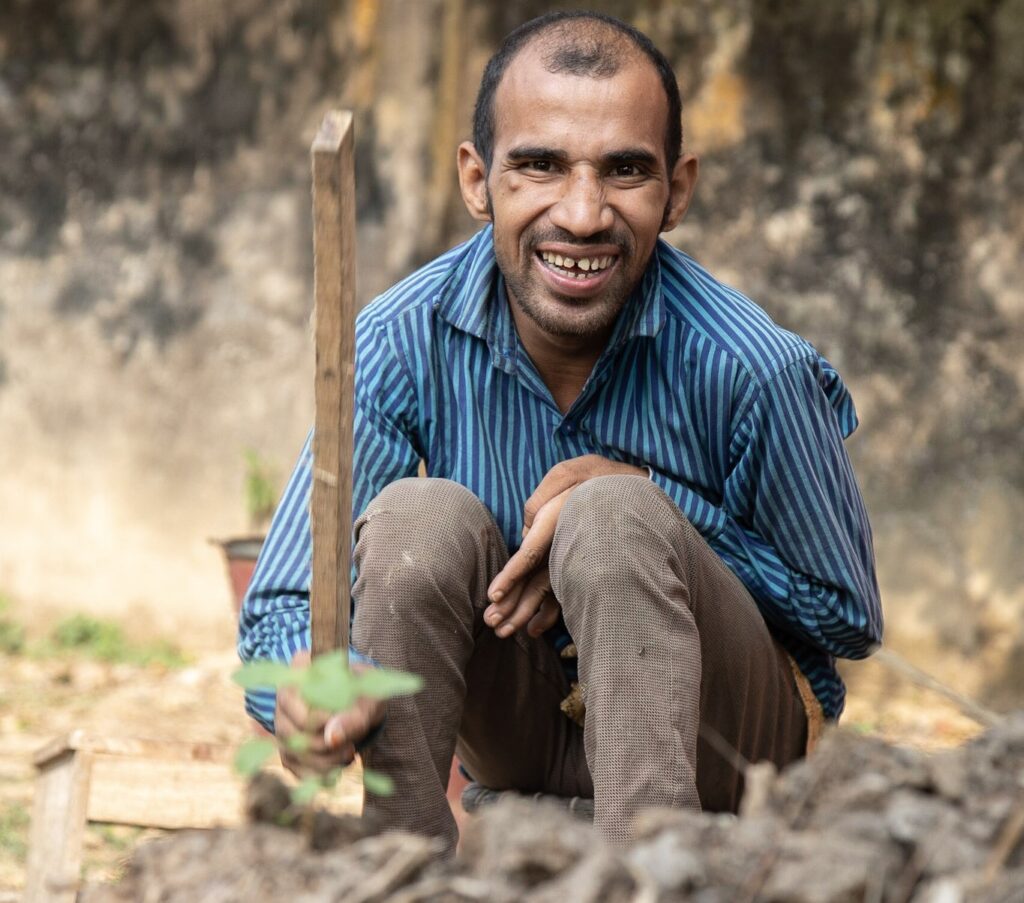
Rupantor is a gardening program designed to empower individuals with disabilities in the Northwest region of Bangladesh. By integrating nature and physical activity, Rupantor aims to break barriers faced by individuals with disabilities, fostering a supportive and inclusive community. Through hands-on engagement in gardening activities, participants not only experience physical rehabilitation but also gain a sense of accomplishment and community.
Our Projects
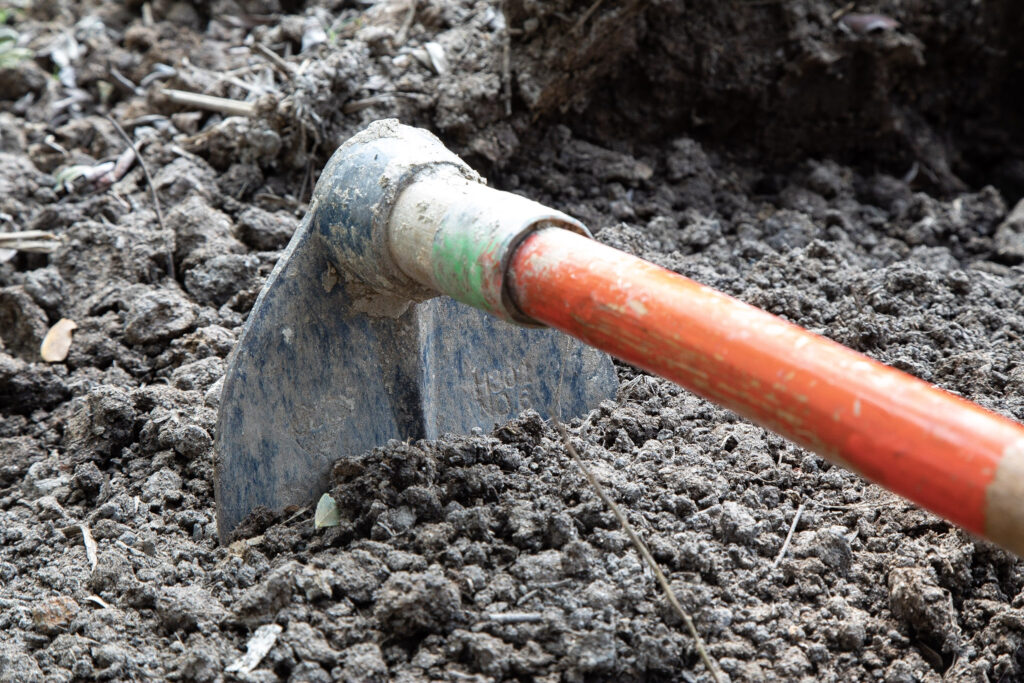
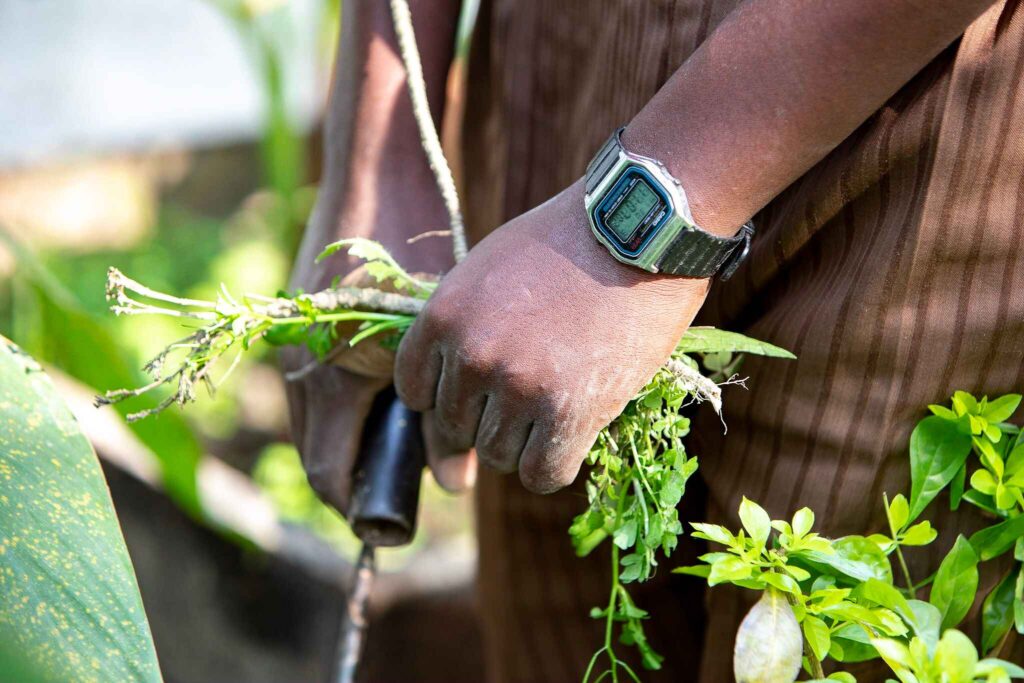
Gardening
The vocational training skills taught enable our beneficiaries to work for a wage in the extensive hospital grounds and staff gardens. Vegetables and plants are grown from seeds and cutting sand sold along with compost produced from vermiculture. We provide garden services for individual customers living in the residential area and for different LAMB-Project departments like the Training Center, Guesthouse, School and Hospital. These are ongoing standing orders throughout the year.
Paddy Farming
Tending to a 4100 m2 plot, we sow rice, yielding a rewarding harvest. Our gardeners and staff eagerly participate in LAMB’s inaugural rice harvest. We process a portion for internal use, selling to staff members, and supplying rice mills account for our distribution.
Animal Husbandry
Our beneficiaries play an important role in the care of our 10 cows, 9 goats and 8 sheep. They feed them and take the animals to the pastures, clean their barns and watch over the animals. Our beneficiaries are very happy as we can offer a wider variety of work.
Cooking Skills
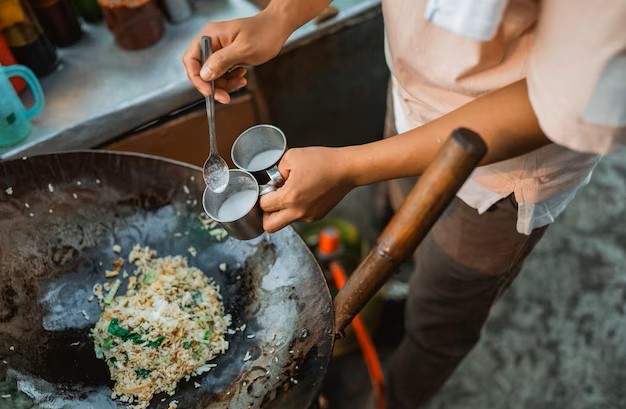
Under supervision, our beneficiaries learn to cook their own lunch. Together we make shopping lists and buy fresh ingredients from markets, following a different menu each week. For the first week we cook vegetables, rice, and lentils and for the subsequent weeks we cook fish, chicken, and beef. Washing plates and utensils is a shared responsibility, with cleanliness kept a priority.
Fish Farming
Our fish farming initiative utilizes a rented pond, where daily feeding and periodic cleaning ensure optimal conditions. During the rainy season we introduce small fish from the hatchery, representing five diverse varieties. Harvested using nets, the catch supports our cooking skill program.
Vermicomposting
Using earthworms, we make Vermicompost by turning organic waste, and cow dung, into a nutrient-rich fertilizer. We dump cow dung in concrete rings and let earthworms feed on it. The excrement from the worms works as soil conditioner. The earthworm fertilizer is natural and environmental friendly. With rising demand for organic products, our beneficiaries help produce and sell the fertilizer for Tk 15 per kilogram.


 English
  German